

The Lord of the Rings Online
 The Lord of the Rings Online
Seventeen years of Siege of Mirkwood: when skirmishes arrived
About 6 minutes to read
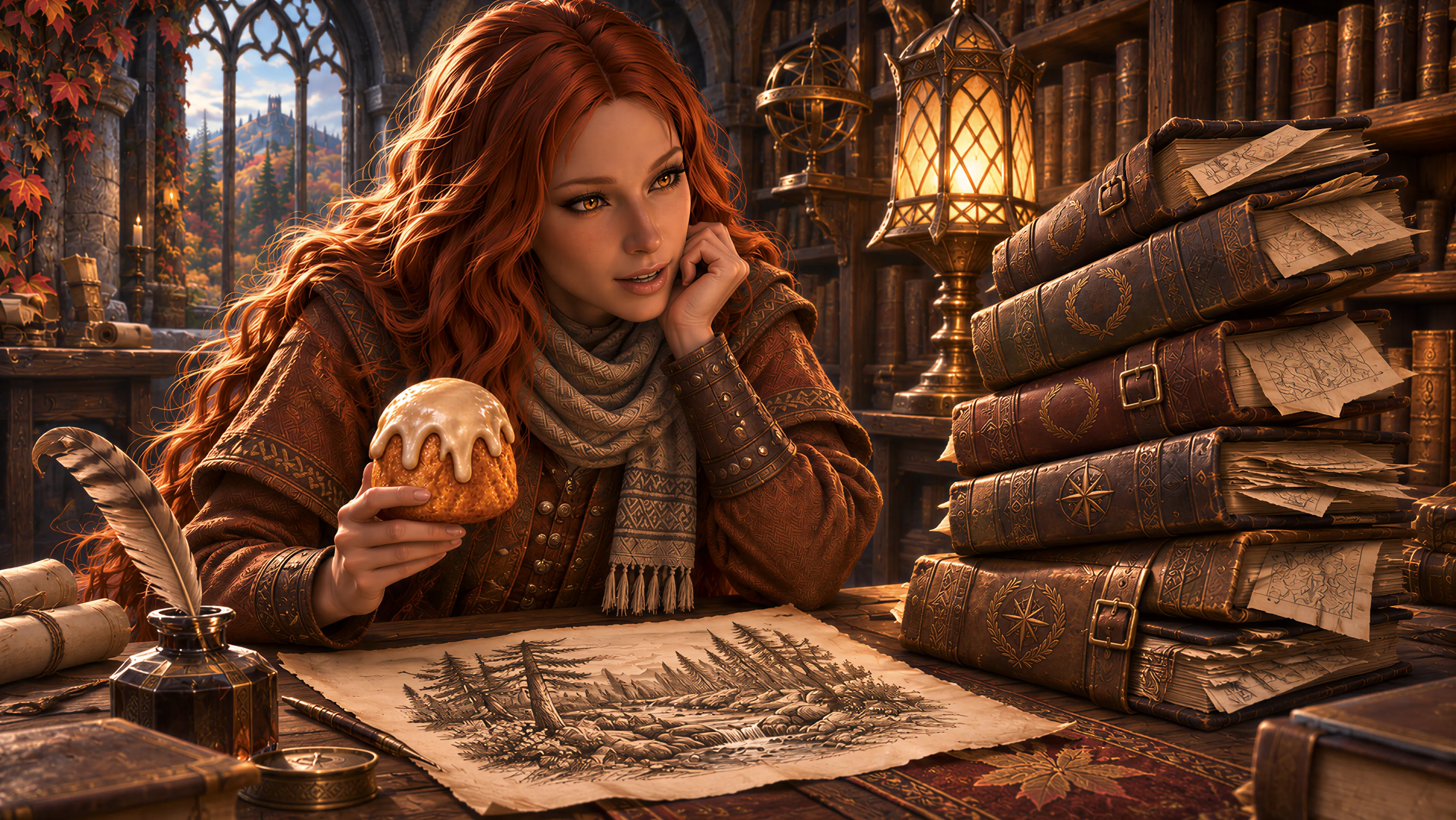
An expansion is about to turn seventeen, and its name had this reporter from Tamriel quite baffled. Siege of Mirkwood. Who is besieging whom? Is an army advancing on the trees, or have the trees decided to besiege an army? And how do besiegers fill the hours between pitching tents and waiting for the soup? I took those questions into the archives and drew a stack of old campaign reports to the edge of my desk. Three reports in, I knew there was a story here.
Where the story began
On 1 December 2009 Turbine, then the developer of The Lord of the Rings Online, announced the North American launch of the game’s second major expansion. Europe got it two days later, on 3 December. It took players farther east into Mirkwood and brought Volume II, begun in Mines of Moria, to its conclusion. I like a volume that begins below ground and ends beneath treetops. The book starts in the cellar and finishes in the woods.
Celeborn and Galadriel led the campaign. Alongside the Elves of Lórien, players pressed through hosts of Orcs until they faced Dol Guldur, stronghold of the Ringwraiths. My resulting theory is that the fortress was under siege and the trees had nothing to do with it. I silently begged their pardon.
The company you weren’t supposed to see
My favourite entry in the official release notes concerns Book 9, Fortress of the Nazgûl. As the Golden Host advances into the dangerous eaves of Mirkwood, a second company quietly gathers: the Hidden Guard. Their mission takes them to the gates of the Necromancer’s fortress, and farther still.
A secret company. In the patch notes. For anyone to read. How secret can you be if you’ve been announced on a website? Perhaps the army makes noise on purpose so nobody notices the quiet ones. Perhaps the Hidden Guard are exceptionally good at whispering. Or perhaps their reports are in cipher and all I’ve seen is the translation. I like to picture people tiptoeing through Middle-earth’s darkest forest with an entire army blowing trumpets beside them.
Dungeons, arenas and a Nazgûl lord
According to the press release, Dol Guldur gained instances for parties of three and six. It promised grim dungeons, deadly arenas and fierce stables. Stables! In a Ringwraith fortress! What do they keep there? And for whom? There was also a twelve-player raid, billed at the time as the most dangerous yet, with a Nazgûl lord at the end. Boss encounters awarded medallions, including Medallions of Dol Guldur.
That was when I fell quiet. Something that had begun in Moria was coming to a close before the gates of a dark castle, and in those December days of 2009 players could finally read on to the last sentence.
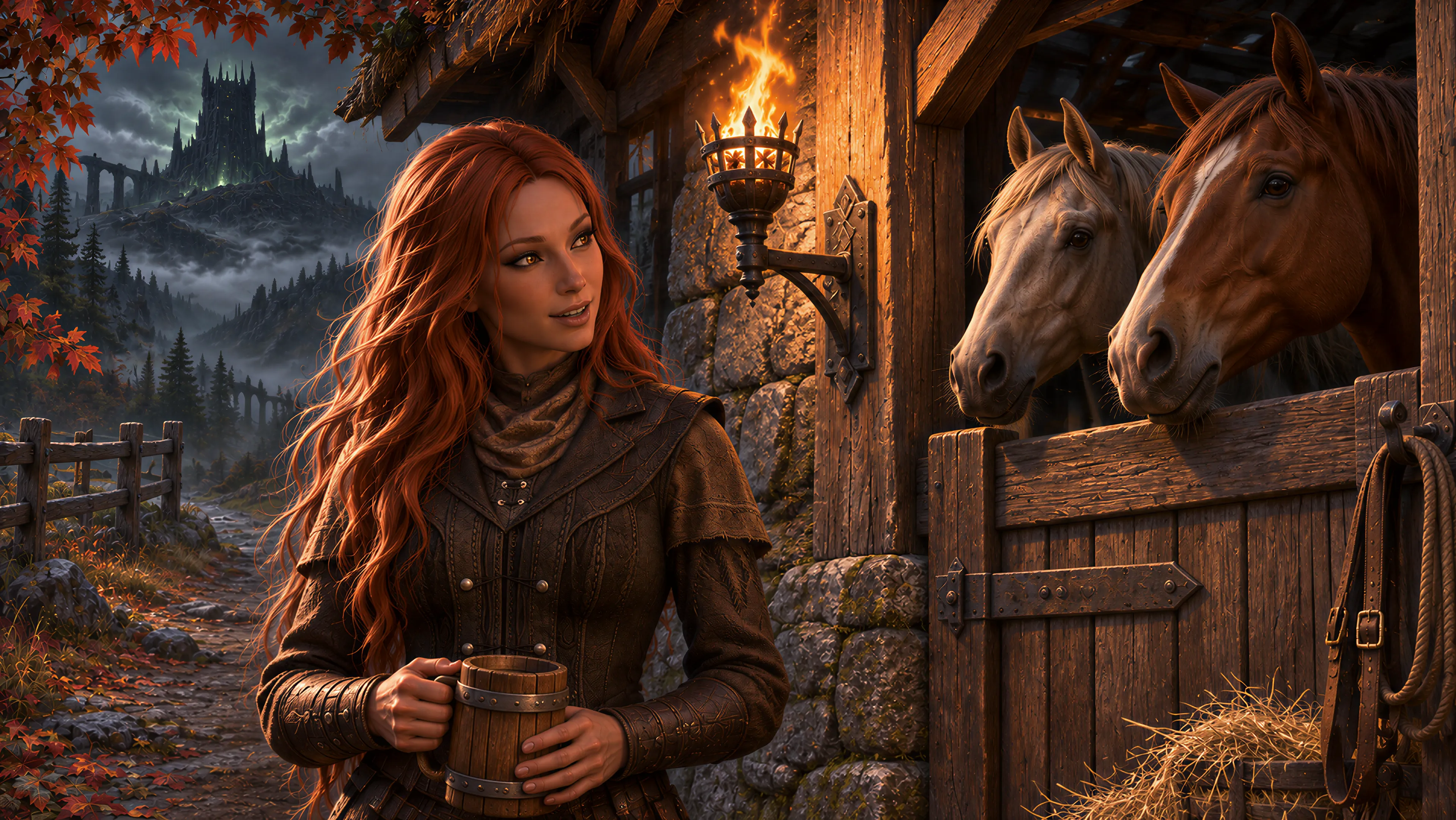
A skirmish sounds like something you could eat
The expansion also brought a new system called skirmishes. These were repeatable encounters whose details could vary from run to run. You could bring a soldier of your own, customise their role and train them as you progressed. Skirmish Join let players and groups find encounters in all sorts of places across Middle-earth.
Honestly, the German word Scharmützel sounds to me like a little cake from Hobbiton. With icing. And these customisable soldiers: can you assign them a second breakfast? Who chooses their clothes? A dash of uncertainty is part of the fun. Grandma Irmintrude wouldn’t care for it. She plans her day by the cuckoo clock and regards surprises as a species of bad manners.
Brian “Zombie Columbus” wrote a seven-part developer diary about the system, ranging from story instances and randomisation and scaling to skirmish soldiers and rewards. Seven instalments of diary! As a notebook philosopher myself, I felt understood.
Level 65 and the little wonders in the margins
Heroes could now reach level 65, with new traits, virtues, skills and class quests along the way. Why doesn’t the world simply stay open at the top? I suppose somebody has to hold up the ceiling.
The fine print is what made me laugh. The new mount system let you eat, drink potions, open doors and talk to merchants from the saddle. Through the door on your horse! My hobbyhorse Rosinante has always managed that. Hobbits got a stone throw that could daze their enemies, and dwarves practised their headbutt in tavern brawls. Coal and potatoes disappeared from Yule gift boxes. And a horse designed by a player became real, at least in Middle-earth: the winning European design arrived as a reputation mount.
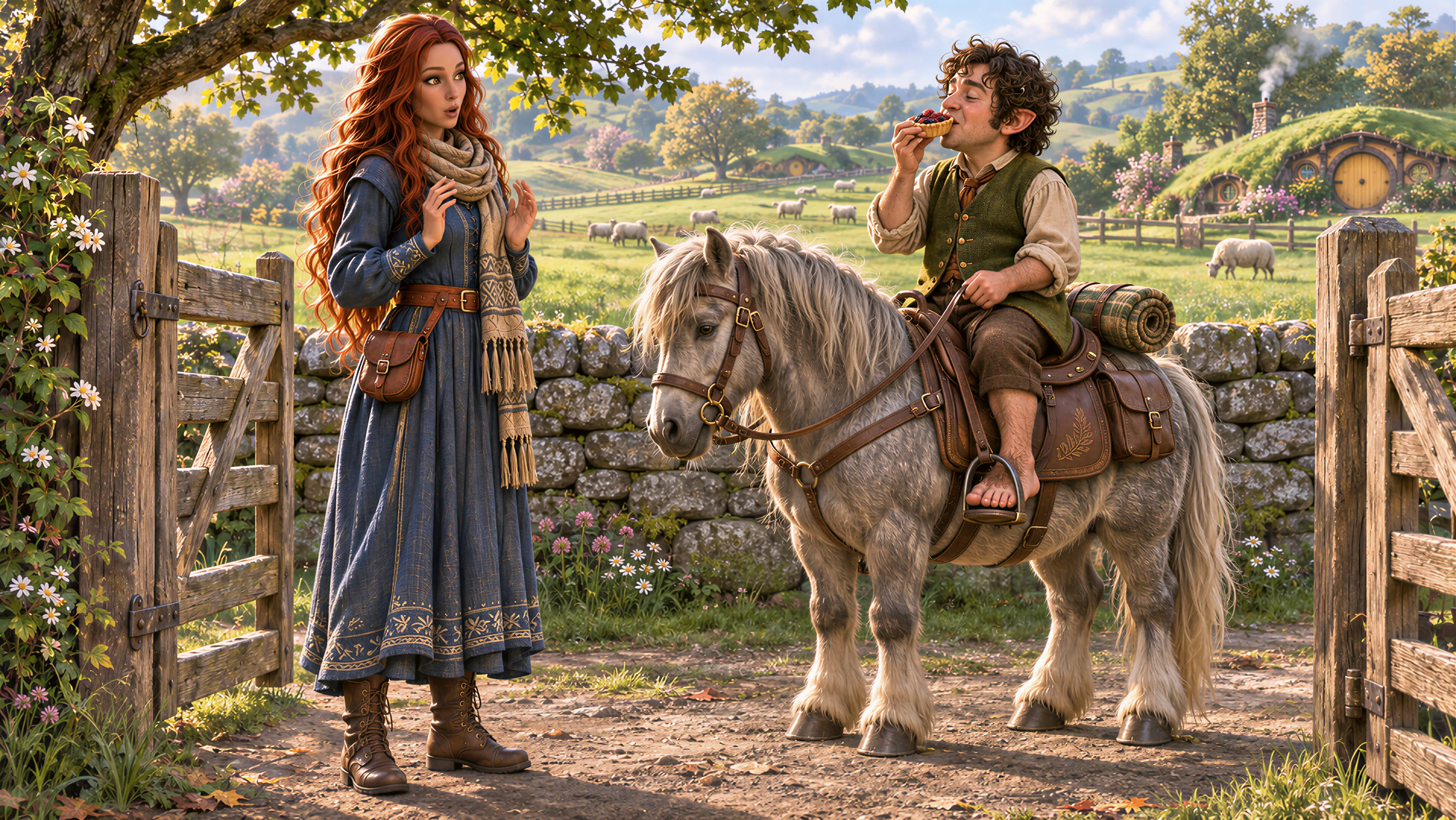
Seventeen years later
I leaf through the stack once more. Seventeen years is a long time, even for a forest. If you were there, perhaps you remember your first steps beneath those trees. If you pass by on 1 or 3 December, light a candle. Or eat a little cake. A Scharmützel, naturally. And if you know what’s stabled in Dol Guldur, do write. I can’t sleep for wondering.
Three sweetrolls out of five for Mirkwood. Five for the Hidden Guard.
Yours, Patsy Wackelwitz
We earn nothing from this and have no partnership with Standing Stone Games.
Sources
- Turbine’s original Siege of Mirkwood release notes
- Turbine’s launch announcement, reproduced by TheOneRing.net
- GameStar on the European launch date announced by Codemasters (German)
Patsy Wackelwitz is a fictional character. This article was prepared with AI assistance.
More stories worth a read
Behind the garlands: rich, poor and a play called Mad Baggins
Garlands, snowmen, something to eat on every corner. Read about Winter-home and you picture one enormous Christmas market. So did I. Then a line in the official guide stopped me. There’s a …
Read more : Behind the garlands: rich, poor and a play called Mad Baggins
Patsy’s mishap ledger for Update 50.2
Some patch notes read like a timetable. Others read like a letter from the village hall, with all the interesting bits tucked into subordinate clauses. LOTRO’s notes of 18 November 2026 for …
Read more : Patsy’s mishap ledger for Update 50.2
Two winters, one quill: Yule in Middle-earth and New Life in Tamriel
There are two winters on my desk, and neither will budge an inch. Middle-earth’s is called Yule and comes with a timetable. Standing Stone Games’ event calendar puts the start at 10 …
Read more : Two winters, one quill: Yule in Middle-earth and New Life in Tamriel